By using this site, you agree to the Privacy Policy and Terms of Use.
Accept
Health Works CollectiveHealth Works CollectiveHealth Works Collective
  • Health
    • Mental Health
  • Policy and Law
    • Global Healthcare
    • Medical Ethics
  • Medical Innovations
  • News
  • Wellness
  • Tech
Search
© 2023 HealthWorks Collective. All Rights Reserved.
Reading: Not So Superfoods
Share
Notification Show More
Font ResizerAa
Health Works CollectiveHealth Works Collective
Font ResizerAa
Search
Follow US
  • About
  • Contact
  • Privacy
© 2023 HealthWorks Collective. All Rights Reserved.
Health Works Collective > Wellness > Home Health > Not So Superfoods
Home HealthWellness

Not So Superfoods

Laura Bogart
Laura Bogart
Share
5 Min Read
unhealthy food
SHARE

If certain celebrities (here’s lookin’ at you, Gwyneth) and that cute clerk at the co-op are to be believed, then some foods are absolutely, unequivocally capital-G-good for you. However, some of these so-called “superfoods” are actually Kryptonite incarnate.

If certain celebrities (here’s lookin’ at you, Gwyneth) and that cute clerk at the co-op are to be believed, then some foods are absolutely, unequivocally capital-G-good for you. However, some of these so-called “superfoods” are actually Kryptonite incarnate.

Who doesn’t love the gooey goodness of peanut butter? Fat-free peanut butter gives us all of the indulgence and none of the guilt. Well, not exactly none of the guilt: Fat-free peanut butter can have as many calories as regular peanut butter. And fat-free is something of a misnomer, because, to boost their flavor, many brands are laden with added sugars, sodium and partially hydrogenated oils – fats that raise our “bad” LDL cholesterol. But you don’t have to take the PB out of your PB&J, just opt for all natural or organic peanut butter.

The king of crunchy-groovy foods has long been granola. But the emperor of nutritious and delicious isn’t wearing any clothes.  Imagine the word “healthy,” and odds are you picture a bowl of rolled oats, honey and nuts – or more accurately, a bowl of sugar, oil and carbohydrates. With its sugar content alone, a cup of granola can easily exceed 600 calories, which is a third of the average woman’s recommended daily intake. Switch out your granola for a high-fiber cereal and top it with some walnuts and fresh berries.

More Read

The ACA has put patients at the center of healthcare services. A patient-centric healthcare approach in this digital era means a revised definition of quality in the physician-patient relationship. When it comes to healthcare services, patients shell out a hefty amount from their pocket and want nothing less than the best. The services in healthcare are no longer limited to just cost as consumers now evaluate quality and experience in the same equation. Research highlights from the 2015 Healthcare Consumer Trends by National Research Corporation states that reputation in healthcare matters more to consumers when choosing a brand than any other industry, e.g. hospitality, retail, airline, etc. The new generation of quality measurements in healthcare require a different mind-set and a different 'toolbox' to handle the hurdles. It’s the need of the hour for healthcare providers and others across the healthcare value chain to adopt the patient-centric approach for surviving in the vast competitive ocean of healthcare services. Patient-centric care is an approach that develops through effective communication, empathy and a positive physician-patient relationship. The primary purpose is to improve patient care outcomes and satisfaction and to reduce patient symptoms and unnecessary costs. It’s a win-win situation for both physicians and patients. While healthcare providers are able to support their patients in becoming more compliant with treatment and management of their conditions/diseases, patients feel more satisfied with the care that they are receiving. PwC’s Health Research Institute’s annual report 2016 states that health systems should keep an eye on the consumer experience as they expand and extend. More partnerships and more caregivers could mean confusion for patients and poor customer experiences. To differentiate their practice among competitors, patient satisfaction can be used as a competitive distinguishing factor. Although patient satisfaction cannot really provide tangible benefits, but an experience that exceeds patient expectations for what a practice/hospital can provide is very important as it creates loyal patients who return for future health needs and refer their family and friends. Happy and satisfied patients are a secret marketing weapon for healthcare providers, whether they are physicians, dentists, physiotherapists or hospitals. Your patients are the new-age digital health decision-makers. In this era of Internet and social media, they now have multichannel access to information related to health. Needless to mention, they have gained new power to make their decisions; whether it’s choosing a healthcare provider or referring a physician to family and friends. By converting your satisfied patients to be your brand advocates, you can capitalize and use their voice as an effective marketing strategy to reach out to many other potential patients. To strive and thrive, in the U.S. many healthcare organizations are applying patient-centric approaches to healthcare. It’s all about what matters to patients, so it makes a lot of sense for the healthcare industry to place patients' healthcare experience at the center of their policies and procedures. The best deliverables are a combination of great communication for a positive physician-patient relationship, disciplined measurement and analysis of patient feedback and commitment to technology innovation – the formula for improving patient engagement and care.
The Link Between Patient Satisfaction and Long-Lasting Relationships
What are the common causes of Eyelid Eczema
New Alzheimer’s Report: Facts and Stats Paint Grim Picture
NHS hospitals should promote more electronic cigarettes as a viable alternative to tobacco
Can Books Cure Depression? UK Operates Bibliotherapy Program for Mental Illness

Sushi is often considered the healthiest of all dining-out options; after all, it’s only raw fish and rice, with a little avocado (and that’s a “good” fat, right?) or cucumber for good measure. But before you belly up to the sushi bar, consider this: White rice is a high-glycemic food, which means that it spikes your blood sugar levels and increases your insulin; like all things that go up, they inevitably come crashing down, and when they do, they trigger your appetite. While twice is nicer when it comes to a buy one, get one free sale, it’s pretty lousy portion control. And the amount of protein you’ll get from each morsel of fish is negligible at best. Ask for sashimi (or plain fish) with a side of edamame to get some proper protein and reduce your sodium intake – a terrific two-for-one.

Whether you prefer peach to cherry or apple to orange, odds are dried fruit is one of your go-to healthy snacks. Unfortunately, that go-to needs to get gone. Fresh fruit is made mostly of water; the drying process strips it of natural nutrients and often replaces them with refined sugars. These sugars can actually up your blood triglyceride levels and reduce your HDL (or “good”) cholesterol levels; they can also contribute to obesity – which has myriad health risks, including heart disease and diabetes. So, when you’re packing for a quick pick-me-up, opt for fresh fruits instead.
unhealthy food

Who knew?

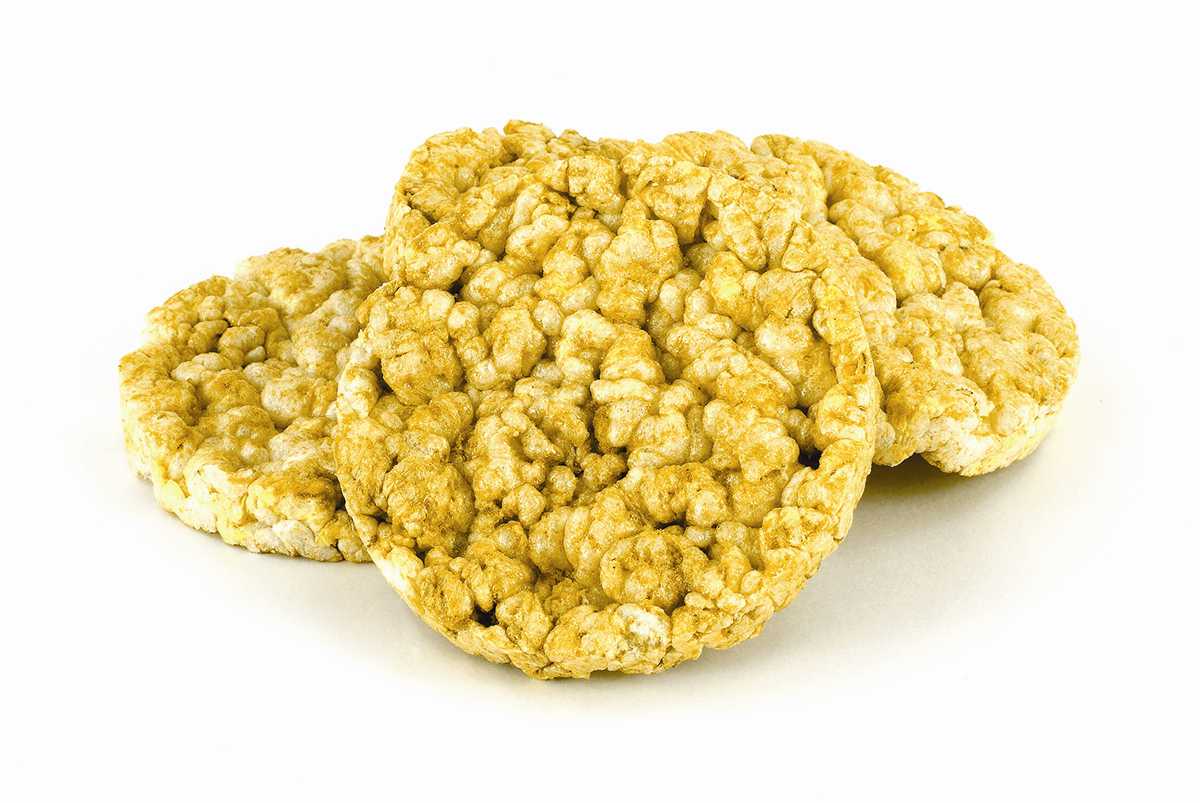
Rice cakes are thought of as a bland-but-healthy food, but, in reality, they’re the culinary equivalent of a roller coaster ride – and not in a good way. Your average rice cake can have a glycemic index rating as high as 91 (and we’re not talking an “A on your pop quiz” score of 91; pure glucose – which can contribute to cardiovascular disease – has a rating of 100); this makes it the kind of pure carbohydrate that can send your blood sugars through a loop-the-loop. When packing your snack baggies, go for fresh veggies or unsalted nuts.


TAGGED:nutrition
Share This Article
Facebook Copy Link Print
Share

Stay Connected

1.5KFollowersLike
4.5KFollowersFollow
2.8KFollowersPin
136KSubscribersSubscribe

Latest News

doctor talking on the phone
How Home System Conditions Shape Daily Health and Long Term Comfort
Health
April 9, 2026
healthcare communication
Independent Practices Should Keep Real People at the Heart of Patient Communication
Global Healthcare
April 8, 2026
rehab for substance abuse
Is 30-Day Inpatient Rehab Enough Time to Recover?
Addiction Recovery
April 8, 2026
men in white coat standing beside woman in white coat
Why Methylene Blue Has Grown in Popularity Across Europe
Mental Health
April 1, 2026

You Might also Like

mHealth Fitness Trackers Have a Long Way to Go

October 6, 2014
anal fissure management and treatment
GeriatricsMedical InnovationsWellness

A Quick Guide to Managing and Relieving Anal Fissures

December 16, 2020

Colon Cancer Diagnosed at Earlier Ages

February 2, 2016

CDC’s State of Aging and Health in America [VIDEO]

October 18, 2013
Subscribe
Subscribe to our newsletter to get our newest articles instantly!
Follow US
© 2008-2025 HealthWorks Collective. All Rights Reserved.
  • About
  • Contact
  • Privacy
Welcome Back!

Sign in to your account

Username or Email Address
Password

Lost your password?