We use cookies, including third-party cookies from Google to serve personalized ads through AdSense, to operate this site and understand how it is used. By continuing to browse, you accept this use. See our Privacy Policy and Terms of Use for details, including how to opt out of personalized advertising.
Accept
Health Works CollectiveHealth Works CollectiveHealth Works Collective
  • Health
    • Mental Health
  • Policy and Law
    • Global Healthcare
    • Medical Ethics
  • Medical Innovations
  • News
  • Wellness
  • Tech
Search
© 2023 HealthWorks Collective. All Rights Reserved.
Reading: Conquering Mental Illness: New Technology Options
Share
Notification Show More
Font ResizerAa
Health Works CollectiveHealth Works Collective
Font ResizerAa
Search
Follow US
  • About
  • Contact
  • Privacy
© 2023 HealthWorks Collective. All Rights Reserved.
Health Works Collective > eHealth > Mobile Health > Conquering Mental Illness: New Technology Options
eHealthMobile HealthSpecialtiesTechnologyWellness

Conquering Mental Illness: New Technology Options

waxcom
waxcom
Share
2 Min Read
SHARE

One in four adults – or approximately 57.7 million Americans – experiences a mental mental illnesshealth disorder in a given year, according to the National Alliance on Mental Illness.

One in four adults – or approximately 57.7 million Americans – experiences a mental mental illnesshealth disorder in a given year, according to the National Alliance on Mental Illness. One in 17 lives with a serious mental illness such as schizophrenia, major depression or bipolar disorder.

Treatment works in various different forms. But many living with these conditions don’t acknowledge they have a problem. And many of those who do simply can’t get or afford the treatment they need.

Two ways people get help are through therapy and medication. New technology may also help. Many mental health professionals are encouraging patients and others to use mobile apps as a way to supplement their care. For example, adults and children who suffer from Obsessive Compulsive Disorder, or OCD, can download the Live OCD Free app for iPad and iPhone. This app will assist in a particular treatment for OCD called exposure and response prevention.

More Read

3 Trends Transforming the Patient Experience
The Death Of Disease Management (Finally)
How Bad Breathing Habits Can Affect Your Health
Does FTC Social Media Guidance Provide Clues for Pharma?
GlobalMed Introduces Teleaudiology Station

The technique requires patients to face their fears head-on without engaging in compulsions. Users can practice this over a given time period with a behavior – for instance, leaving the house without checking the door lock multiple times or making sure the oven is turned off. If they give in before the timer is up, there’s a “Just Gave In” button.

The user can also create an audio recording of an obsessive thought to listen to on a loop, in order to practice enduring it without doing the repetitive behavior. The app also allows the user’s therapist to see progress over time by generating charts that can be e-mailed.

New technology is not a substitute for real therapy or medication for mental illness, but it can help.

TAGGED:mental illness
Share This Article
Facebook Copy Link Print
Share

Stay Connected

1.5KFollowersLike
4.5KFollowersFollow
2.8KFollowersPin
136KSubscribersSubscribe

Latest News

Flat editorial illustration: Healthcare ethics-and-law training, shown through a coached clinical role-play where structured disc
Medical Ethics and the Law: The Training Behind Professionals Who Resolve Healthcare Disputes
Uncategorized
November 6, 2026
Flat editorial illustration: The article connects routine occupational health screening with early exposure detection and better
What Routine Workplace Health Monitoring in Medical Environments Actually Prevents
Uncategorized
November 6, 2026
Flat editorial illustration: The article contrasts structured prelicensure education with ongoing, practice-focused development f
Academic vs. Clinical Education: How Teaching Settings Shape Nursing Learners and Outcomes
Uncategorized
November 6, 2026
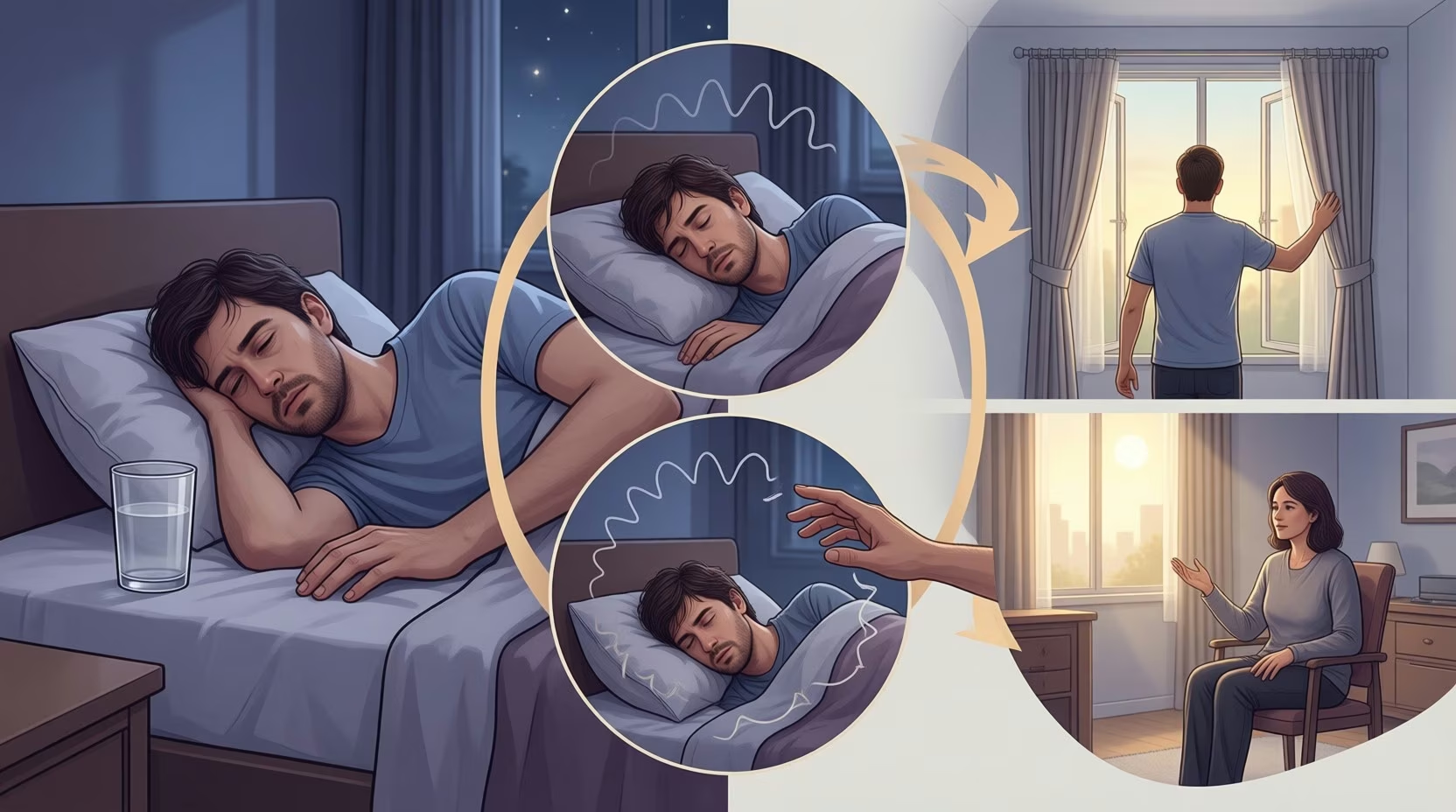
Flat editorial illustration: Health-editorial illustration of the two-way relationship between substance use and disrupted sleep,
How Sleep Disruption Feeds the Addiction Cycle and What You Can Do About It
Addiction Recovery Mental Health Wellness
November 6, 2026

You Might also Like

Engagement is the Next Frontier for Connected Health

January 24, 2013
The ACA has put patients at the center of healthcare services. A patient-centric healthcare approach in this digital era means a revised definition of quality in the physician-patient relationship. When it comes to healthcare services, patients shell out a hefty amount from their pocket and want nothing less than the best. The services in healthcare are no longer limited to just cost as consumers now evaluate quality and experience in the same equation. Research highlights from the 2015 Healthcare Consumer Trends by National Research Corporation states that reputation in healthcare matters more to consumers when choosing a brand than any other industry, e.g. hospitality, retail, airline, etc. The new generation of quality measurements in healthcare require a different mind-set and a different 'toolbox' to handle the hurdles. It’s the need of the hour for healthcare providers and others across the healthcare value chain to adopt the patient-centric approach for surviving in the vast competitive ocean of healthcare services. Patient-centric care is an approach that develops through effective communication, empathy and a positive physician-patient relationship. The primary purpose is to improve patient care outcomes and satisfaction and to reduce patient symptoms and unnecessary costs. It’s a win-win situation for both physicians and patients. While healthcare providers are able to support their patients in becoming more compliant with treatment and management of their conditions/diseases, patients feel more satisfied with the care that they are receiving. PwC’s Health Research Institute’s annual report 2016 states that health systems should keep an eye on the consumer experience as they expand and extend. More partnerships and more caregivers could mean confusion for patients and poor customer experiences. To differentiate their practice among competitors, patient satisfaction can be used as a competitive distinguishing factor. Although patient satisfaction cannot really provide tangible benefits, but an experience that exceeds patient expectations for what a practice/hospital can provide is very important as it creates loyal patients who return for future health needs and refer their family and friends. Happy and satisfied patients are a secret marketing weapon for healthcare providers, whether they are physicians, dentists, physiotherapists or hospitals. Your patients are the new-age digital health decision-makers. In this era of Internet and social media, they now have multichannel access to information related to health. Needless to mention, they have gained new power to make their decisions; whether it’s choosing a healthcare provider or referring a physician to family and friends. By converting your satisfied patients to be your brand advocates, you can capitalize and use their voice as an effective marketing strategy to reach out to many other potential patients. To strive and thrive, in the U.S. many healthcare organizations are applying patient-centric approaches to healthcare. It’s all about what matters to patients, so it makes a lot of sense for the healthcare industry to place patients' healthcare experience at the center of their policies and procedures. The best deliverables are a combination of great communication for a positive physician-patient relationship, disciplined measurement and analysis of patient feedback and commitment to technology innovation – the formula for improving patient engagement and care.
BusinessHealth ReformWellness

The Link Between Patient Satisfaction and Long-Lasting Relationships

April 28, 2016
eHealthGlobal HealthcareHealth ReformMedical InnovationsMobile HealthNewsTechnology

How a New Patient Experience Model Will Drive the Future of Connected Healthcare?

July 10, 2018
Wellness

Why Is Iron So Important To Human Health?

July 27, 2020
Subscribe
Subscribe to our newsletter to get our newest articles instantly!
Follow US
© 2008-2026 HealthWorks Collective. All Rights Reserved.
  • About
  • Contact
  • Privacy
Welcome Back!

Sign in to your account

Username or Email Address
Password

Lost your password?