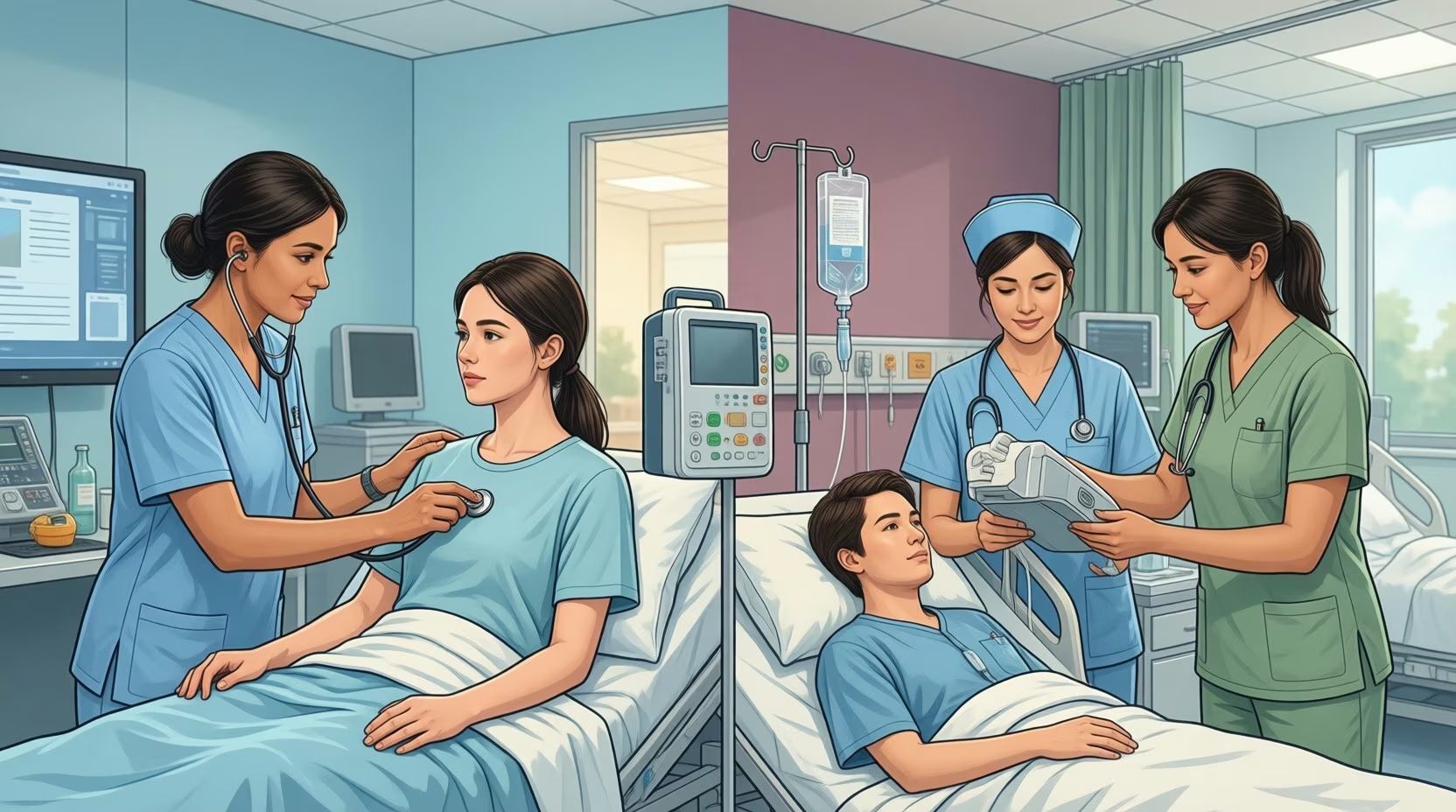
The Fred Alger Management team reached out to me recently asking what innovative changes I thought the medical and healthcare industry will be going through over the next 50 years. It was for their innovative “Think Further” series:
The Fred Alger Management team reached out to me recently asking what innovative changes I thought the medical and healthcare industry will be going through over the next 50 years. It was for their innovative “Think Further” series:
As Yogi Berra famously quipped “It’s tough to make predictions, especially about the future” but Alger’s “Future of Medicine” question is an interesting approach to generating ideas so I thought I’d give it a shot.
For the first 50 years in computing we’ve been busy digitizing the areas of human activity such as:
- Administration (letters and memos are rarely done by hand)
- Engineering (computations and drawings have been done on machines for a while)
- Finance & accounting (spreadsheets and software drive most financial tasks)
- News & press (social media, online news)
- Literature (e-books, publications)
- Retail (online stores)
There are many more examples of digitization plus even more examples of how mobile, social, and Internet have changed the world for the better. While the innovations I’ve cited above have brought enormous benefits to humanity, the next 50 years when we digitize biology through genomics, digitize chemistry through early detection systems, and digitize physics through better simulations we’re going to live in a world that might soon look even more like science fiction than it does today. Here’s how:
- We already have “Dr. Google” through search engines but the coming decades will make medical knowledge, especially differential diagnoses, even better and more accessible to the average patient.
- In the next decade we’re going to have the first versions of Star Trek’s “Medical Tricorder” and “Biobeds” which will focus on improved digital diagnostics by using digital medical education and improved mobile sensors to teach our devices how to read biomarkers in blood or other human biological specimen and identify disease or other ailments.
- Over the following decades we’ll use those better diagnostics to create significantly better therapeutics such as personalized drugs. The better our diagnostics get on a personal (patient-specific) basis, the better our personalized therapies will get.
- Within next couple of decades we’ll be able to use the advanced diagnostics capabilities of genetics and proteomics to create personal simulators of our body so that drugs and their side effects can be tested on a digital version of ourselves instead of running clinical trials in live settings.
- As computing power increases and digital biological specimens become easier to obtain, we can imagine a world in which computers can run biological research that only humans can do today. And do it more safely and quickly than is possible this decade.
- We can even imagine a world in which we can detect and correct diseases by touching our smartphones or smartwatches.
Just as we couldn’t imagine 20 years ago that a device we hold in our hands could guide us using GPS systems, there are things we’ll get through digital biology, digital chemistry, and digital physics that would be unimaginable today.
Our biggest struggles with future innovations won’t be around technology – that part will be solved quickly because of a huge pool of talented entrepreneurs and engineers. The biggest risk to our next generation technologies will really be around regulatory, privacy, and security. We already don’t know how to handle mobile medical devices from a regulatory perspective. We barely know how to manage privacy and security with the small amounts of personalized health records and diagnostic data we have now.
This article is part of the ‘Think Further’ series, sponsored by Fred Alger Management, Inc. For more ‘Think Further’ content and videos, visit thinkfurtheralger.com.