We use cookies, including third-party cookies from Google to serve personalized ads through AdSense, to operate this site and understand how it is used. By continuing to browse, you accept this use. See our Privacy Policy and Terms of Use for details, including how to opt out of personalized advertising.
Accept
Health Works CollectiveHealth Works CollectiveHealth Works Collective
  • Health
    • Mental Health
  • Policy and Law
    • Global Healthcare
    • Medical Ethics
  • Medical Innovations
  • News
  • Wellness
  • Tech
Search
© 2023 HealthWorks Collective. All Rights Reserved.
Reading: Monitoring to Change Behavior: Does It Work?
Share
Notification Show More
Font ResizerAa
Health Works CollectiveHealth Works Collective
Font ResizerAa
Search
Follow US
  • About
  • Contact
  • Privacy
© 2023 HealthWorks Collective. All Rights Reserved.
Health Works Collective > eHealth > Mobile Health > Monitoring to Change Behavior: Does It Work?
eHealthMobile HealthPublic Health

Monitoring to Change Behavior: Does It Work?

joan justice
joan justice
Share
2 Min Read
empowered patients webinar
SHARE

empowered patients webinar

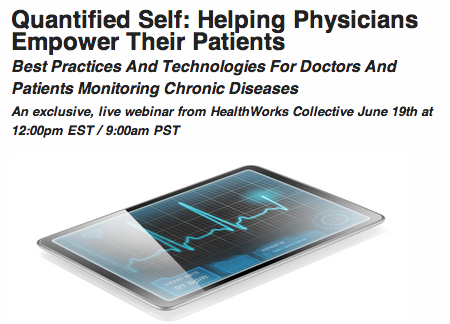
On June 19th, HealthWorks Collective will host a free webinar on Helping Physicians Empower Their Patients.  Register Here!

empowered patients webinar

On June 19th, HealthWorks Collective will host a free webinar on Helping Physicians Empower Their Patients.  Register Here!

More Read

Social Media in Clinical Trials – Slideshare
Rewards Help Majority of Consumers Overcome Health Data Concerns
Innovative Ways to Talk About STDs
Person-Centered HealthCare: Improving Patient Experience By Improving Care
It’s Official: Teens Prefer Texting to Talking.

This topic is a hot one and a controversial one.  Since the beginning of mHealth and digital health apps, there have been thousands of studies, programs, companies and professionals dedicated to trying to motivate people through electronic devices.  From robots to fitness armbands to simple SMS texting, the world has been trying to find out what works the best, or what works at all.

The RAND study was just recently published (after it was pulled from circulation for a day) and debunked the theory that corporate wellness programs work at all.  Corporate wellness programs are usually based on motivating employees to adopt healthy lifestyle behavior through a system of “carrot and stick” motivation based on monetary rewards or penalties.  Devices such as pedometers or Fitbit-like devices are often used to monitor and track behavior.  We published a great discussion of the RAND study by Dan Munro and there are numerous other posts out there arguing the pros and cons of corporate wellness and self-tracking.

I have asked one of the panelists on our webinar, Kathleen Starr, PhD and expert in behavioral insights and strategy to join me here today to talk briefly about the topic of monitoring for healthy behavior.  Kathleen is Senior VP at Patient Marketing Group, an InventivHealth company.

 Kathleen has over 15 years of experience in the life science industry translating behavioral insight into commercial strategy.   She is passionate about improving the patient experience and leveraging the psychology of behavior to create patient-centered solutions in healthcare.

Watch the video and then join us for the webinar next week. 

TAGGED:QSself-monitoringwebinar
Share This Article
Facebook Copy Link Print
Share

Stay Connected

1.5KFollowersLike
4.5KFollowersFollow
2.8KFollowersPin
136KSubscribersSubscribe

Latest News

How Road Trauma Injuries Place Demands on Healthcare That Go Beyond the Examination Room  -- AI-generated illustration
How Road Trauma Injuries Place Demands on Healthcare That Go Beyond the Examination Room 
Global Healthcare Policy & Law
October 15, 2026
Why Music Gives The Brain A Workout -- AI-generated illustration
Why Music Gives The Brain A Workout
Infographics Wellness
October 14, 2026
A Hydration And Heat Guide For Youth Cheer -- AI-generated illustration
A Hydration And Heat Guide For Youth Cheer
Infographics
October 13, 2026
Flat editorial illustration: Core relationship is dual-track recovery where family support improves outcomes only when families m
Supporting a Loved One Through Addiction Recovery
Addiction Recovery
October 13, 2026

You Might also Like

Consider MySQL ‘Archive’ Storage Engine to Store Large Amounts of Med Device Structured or Waveform Data

March 3, 2011

Report: Avoidable ‘Never Events’ Increase in Minnesota Hospitals

January 20, 2012

The Making of ePatient Dave and How the ePatient Revolution Will Change Healthcare Communication

November 4, 2011
BusinessPublic Health

Making Patient Experience a Priority: Infographic

March 16, 2012
Subscribe
Subscribe to our newsletter to get our newest articles instantly!
Follow US
© 2008-2026 HealthWorks Collective. All Rights Reserved.
  • About
  • Contact
  • Privacy
Welcome Back!

Sign in to your account

Username or Email Address
Password

Lost your password?