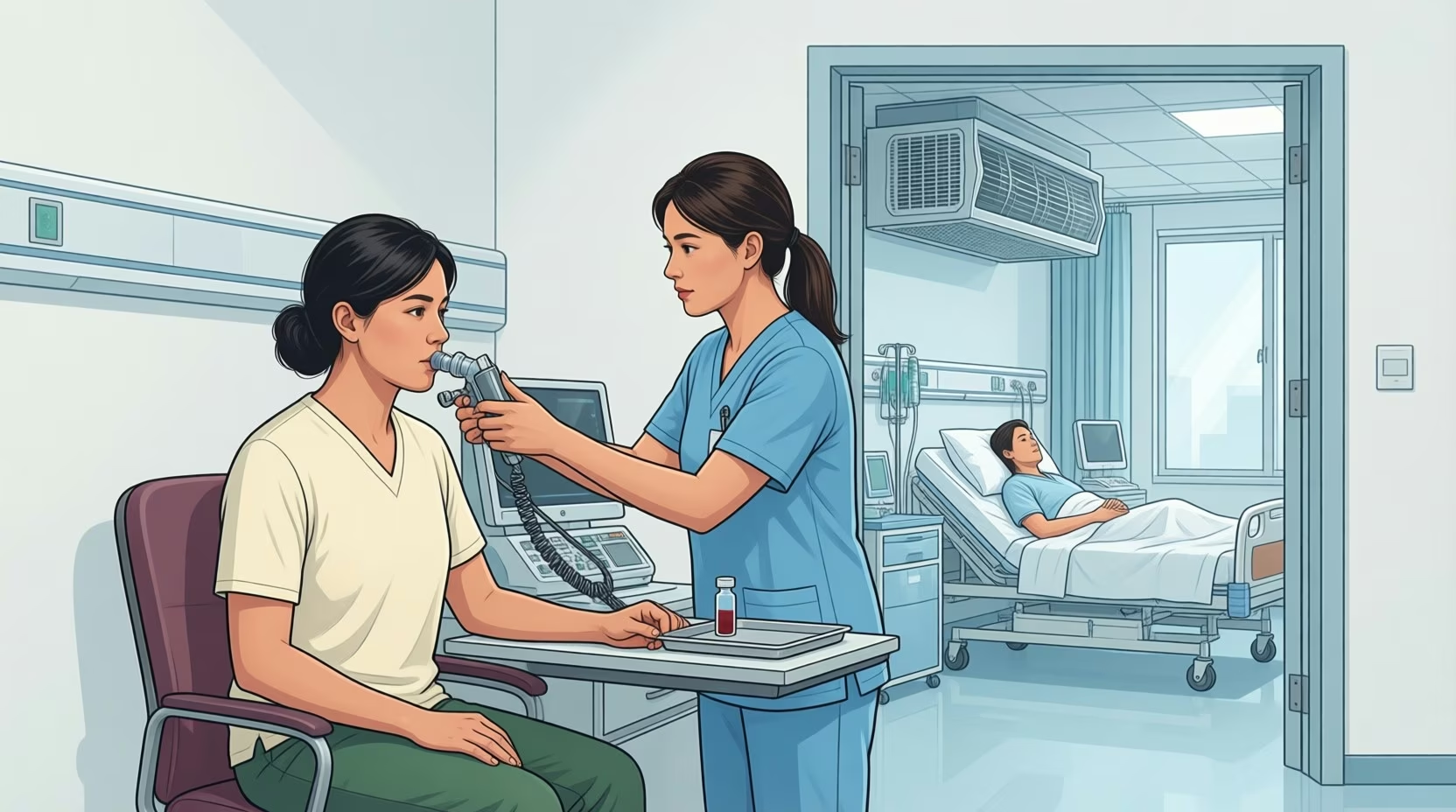
An ever-faster development cycle in the technology space is transforming every aspect of our lives. The healthcare sector is no exception. Mobile innovations now make it possible for patients to monitor their own vital signs and information like blood sugar levels, access personal medical information from anywhere and participate more fully in their own care with apps and even games designed to promote health.
An ever-faster development cycle in the technology space is transforming every aspect of our lives. The healthcare sector is no exception. Mobile innovations now make it possible for patients to monitor their own vital signs and information like blood sugar levels, access personal medical information from anywhere and participate more fully in their own care with apps and even games designed to promote health. Now, some doctors, hospitals, specialists and other providers are looking for new ways to use the tablets and phones most of us already have to improve healthcare on a person by person basis.
Many researchers working at the intersection of healthcare and technology are looking at games. A growing body of studies has shown that playing action games can improve a person’s ability to learn and even help people gain new gray matter (the part of the brain responsibility for data retention). Gaming has also been shown to promote functioning in the areas of the brain responsible for spatial navigation, motor skills and planning in study participants of all ages.
More Read

Findings like those are driving the development of mobile games created with the express purpose of helping people with unique medical needs. Children’s National Health System in the District of Columbia actually piloted a program that used a specially designed game to help children with sickle cell disease track and combat the memory loss associated with the disease. The Hospital for Sick Children in Toronto created the Pain Squad app as a way to help make the pain tracking that kids battling cancer have to do a little easier and a little more fun.
The hope is that games and other technology will empower patients to be more engaged in their own care. Today there are apps designed to facilitate patient recovery, track blood sugar using up-to-date tech like the Apple Watch, help people remember to take their medications, and make healthier lifestyle choices. Healthcare professionals are notably on board and there are technology-in-healthcare initiatives happening around the globe.
For example, IBM, Apple and Japan Post recently partnered on a groundbreaking initiative to put millions of iPads into the hands of senior citizens. The goal is to not only improve the health of recipients but also their quality of life. Pre-installed apps on the tablets will remind patients to take their medications and give them a way to keep in touch with loved ones and the outside world in cases where physical health issues have left seniors housebound. The key is training – many patients (elderly or not) need to be shown what phones and tablets can do beyond email and Facebook.
Why is technology’s usefulness in the healthcare sphere only just now making headlines? The disparity between existence and interest likely has to do with the availability of personal tech. Mobile gadgets with advanced mobile technology designed by companies like Snapdragon are now more common than ever, so doctors and other care providers have more opportunities to introduce their patients to the kinds of apps and games that will be beneficial to them. In the past it would have been much less likely that a practice’s patients would have all had access to similar levels of technology at home.
Whether widespread adoption of healthcare innovations for mobile is in our future will probably depend on the long term outcomes of pilot programs like Children’s National Health System’s memory game and the results gathered over time from consumer apps designed to promote weight loss and general health. Early studies show the potential for games and apps to affect behavioral change but more in-depth research may come to different conclusions depending on how much time practitioners put into training their patients to use technology effectively.
—
The image for this post is originally found at: http://www.shoppersbase.com/.