We use cookies, including third-party cookies from Google to serve personalized ads through AdSense, to operate this site and understand how it is used. By continuing to browse, you accept this use. See our Privacy Policy and Terms of Use for details, including how to opt out of personalized advertising.
Accept
Health Works CollectiveHealth Works CollectiveHealth Works Collective
  • Health
    • Mental Health
  • Policy and Law
    • Global Healthcare
    • Medical Ethics
  • Medical Innovations
  • News
  • Wellness
  • Tech
Search
© 2023 HealthWorks Collective. All Rights Reserved.
Reading: More on Patient Centric Medicine
Share
Notification Show More
Font ResizerAa
Health Works CollectiveHealth Works Collective
Font ResizerAa
Search
Follow US
  • About
  • Contact
  • Privacy
© 2023 HealthWorks Collective. All Rights Reserved.
Health Works Collective > eHealth > More on Patient Centric Medicine
eHealth

More on Patient Centric Medicine

Gary Levin MD
Gary Levin MD
Share
3 Min Read
SHARE

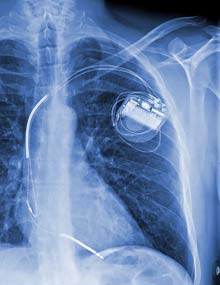
Not only do physicians, hospitals, insurers, need to become more patient centric but also device manufacturers as indicated by comments from implantable cardiac device manufacturers.

Ted Campos adequately describes how he wants access to data collected from a device implanted in his own heart.

TEDx Cambridge
More Read

wearable tech ling tan
Self-Tracking Is Just the Beginning for Wearables Applications
All That You Need to Know About Clenbuterol
Engaging Patients vs. Patient Engagement
How Medical Carts Improve Operations And Computerization
What Are The Key Success Factors For eHealth Apps?

Not only do physicians, hospitals, insurers, need to become more patient centric but also device manufacturers as indicated by comments from implantable cardiac device manufacturers.

Ted Campos adequately describes how he wants access to data collected from a device implanted in his own heart.

TEDx Cambridge

Give me MY DATA!
Getting Health Data from Inside Your Body

Hugo Campos believes that patients with implanted medical devices deserve access to the data they collect.

I have this complex little computer implanted in my body, but I have no access to it,” says Campos. “The best that patients can do is get a printout of the report given to the doctor, and that’s designed for doctors, not patients. Patients are left in the dark.”

Campos’s goal is a new twist on the concept of open access, one that has emerged as implanted medical devices become more common and patients increasingly use wireless devices and smart-phone tools to track their health and take control of their care.

Campos, who talked about his efforts at a TEDx conference in Cambridge on Saturday, has approached both device makers and the U.S. Food and Drug Administration to try to get access to the data. But manufacturers have told him that the device is implanted to deliver therapy, not to provide information to the patient. And doing so is not part of their business model. He believes that because device makers see their primary market as physicians rather than patients, they are less motivated to make this information available to the people who actually live with the devices in their bodies.

And perhaps physicians should use only devices that patients can access their own data. That might change device makers ‘business model’.  After all the patient (or their insurer) is buying the device…..not the physician.

Pulmonary Artery Pressure Sensor for CHF


TAGGED:patient-centric medicine
Share This Article
Facebook Copy Link Print
Share

Stay Connected

1.5KFollowersLike
4.5KFollowersFollow
2.8KFollowersPin
136KSubscribersSubscribe

Latest News

Flat editorial illustration: Healthcare ethics-and-law training, shown through a coached clinical role-play where structured disc
Medical Ethics and the Law: The Training Behind Professionals Who Resolve Healthcare Disputes
Uncategorized
November 6, 2026
Flat editorial illustration: The article connects routine occupational health screening with early exposure detection and better
What Routine Workplace Health Monitoring in Medical Environments Actually Prevents
Uncategorized
November 6, 2026
Flat editorial illustration: The article contrasts structured prelicensure education with ongoing, practice-focused development f
Academic vs. Clinical Education: How Teaching Settings Shape Nursing Learners and Outcomes
Uncategorized
November 6, 2026
Flat editorial illustration: Health-editorial illustration of the two-way relationship between substance use and disrupted sleep,
How Sleep Disruption Feeds the Addiction Cycle and What You Can Do About It
Addiction Recovery Mental Health Wellness
November 6, 2026

You Might also Like

Email for business
eHealth

What Does Your Email (Gmail, Yahoo, Aol) Say About Your Practice

October 14, 2012
Healthcare Provider Pain Points
BusinesseHealthHealth ReformHospital AdministrationMedical RecordsMobile HealthTechnology

8 Healthcare Provider Pain Points

June 24, 2014
medical news
eHealthMobile HealthSocial Media

Mobile Health and Information Overload: Interview with Dr. Nate Gross

April 30, 2013
Mobile PPC Marketing, Mobile PPC Strategy, Digital Medical Marketing
Social MediaTechnology

How to Convert Gen Xers With Your Healthcare Mobile PPC Strategy

November 26, 2014
Subscribe
Subscribe to our newsletter to get our newest articles instantly!
Follow US
© 2008-2026 HealthWorks Collective. All Rights Reserved.
  • About
  • Contact
  • Privacy
Welcome Back!

Sign in to your account

Username or Email Address
Password

Lost your password?